Buy y.co.at ?
We are moving the project
y.co.at .
Are you interested in purchasing the domain
y.co.at ?
domain@kv-gmbh.de · 0541-91531010
Buy y.co.at ?
What are sensory cells, sensory organs, and senses?
Sensory cells are specialized cells that detect and respond to specific stimuli, such as light, sound, touch, taste, and smell. These cells are found in sensory organs, which are structures in the body that contain sensory cells and are responsible for detecting and transmitting sensory information to the brain. The senses, on the other hand, are the physiological capacities of organisms that provide data for perception. They include sight, hearing, touch, taste, and smell, and are essential for experiencing and interacting with the environment. **
What is the difference between a primary sensory cell, a secondary sensory cell, and a sensory nerve cell?
Primary sensory cells are specialized cells that directly detect stimuli from the environment, such as light, sound, or touch. Secondary sensory cells receive signals from primary sensory cells and transmit them to the central nervous system. Sensory nerve cells, also known as sensory neurons, are responsible for transmitting the signals from secondary sensory cells to the brain, where they are processed and interpreted. In summary, primary sensory cells detect stimuli, secondary sensory cells relay the signals, and sensory nerve cells transmit the signals to the brain for processing. **


Similar search terms for Mustela-Multi-Sensory-Bubble
Top-Angebote
Products related to Mustela-Multi-Sensory-Bubble:
-
Mustela Bébé Sol Lait Solaire Ip50+ Mustela 100 MlHealth and Beauty Creams Mustela Bébé Sol Lait Solaire Ip50+ Mustela 100 Ml This SPF50+ sun milk is specially formulated for the delicate skin of babies and children. It protects from UVA and UVB rays and is resistant to water and sand. Face and body. Formulated without fragrance, it is suitable for all skin types, including sensitive, sun-intolerant and atopy-prone skin. How to use: Its anti-drip tube allows you to control the administered dose. Stage 1: Apply generously to dry skin before each exposure (face and body). And of course, don't forget the hat, the glasses and the t-shirt. Stage 2: Reapply every two hours and after each bath. It is recommended not to expose children under 3 years of age to the sun.15,13 £*Shipping: 3,99 £Secure redirect to the provider
-
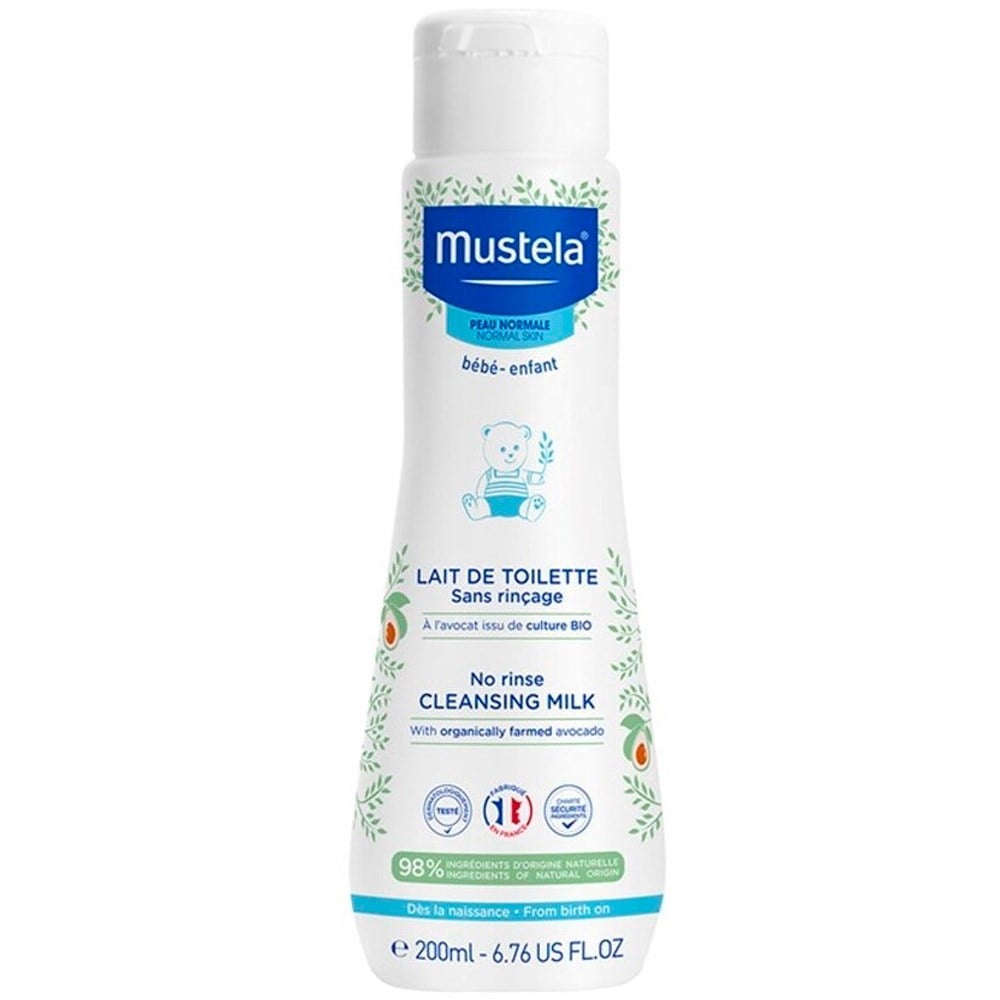
Mustela Baby ShampooA shampoo. A shampoo with an ultra-soft vegetal cleansing base, with chamomile extract for fine, delicate and fragile hair to make it soft, shiny and easy to comb. Its pH is adjusted to skin's and tear's natural pH. Can be used every day by the baby and child. Cleanses and facilitates the hair's detangling.10,38 £*Shipping: 9,68 £Secure redirect to the provider
-
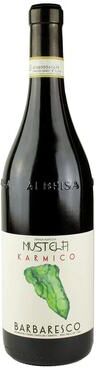
"""Azienda Agricola Mustela""" """Azienda Agricola Mustela Karmico Barbaresco 2022 Red Wine - Italy""""""This Barbaresco is made from Nebbiolo (100%) in the sub-varieties Michet and Lampia. This producer works only in minimal intervention with very low sulfites and without using any additive. Garnet red; intense, elegant, fruity, with tobacco and..."40,99 $*Shipping: 0,00 $Secure redirect to the provider


-
What is sensory perception?
Sensory perception refers to the process of receiving and interpreting information from the environment through the senses. This includes the five main senses of sight, hearing, touch, taste, and smell, as well as other sensory experiences such as balance, proprioception, and temperature. The brain then processes this sensory information to create a perception of the world around us, allowing us to interact with and understand our surroundings. Sensory perception is essential for everyday functioning and plays a crucial role in how we experience and navigate the world. **
-
Are receptors sensory cells?
Receptors are not sensory cells themselves, but they are specialized proteins located on the surface of sensory cells. These receptors are responsible for detecting and responding to specific stimuli, such as light, sound, taste, or smell. When a receptor is activated by a stimulus, it triggers a series of biochemical reactions within the sensory cell, ultimately leading to the generation of a sensory signal that can be transmitted to the brain for processing. Therefore, while receptors are not sensory cells, they play a crucial role in the sensory process by detecting and transducing stimuli into neural signals. **
-
What are sensory nerve cells?
Sensory nerve cells, also known as sensory neurons, are specialized cells that transmit information from the body's sensory organs (such as the skin, eyes, ears, nose, and tongue) to the central nervous system. These cells are responsible for detecting various stimuli, such as touch, temperature, pain, and pressure, and converting these stimuli into electrical signals that can be interpreted by the brain. Sensory nerve cells play a crucial role in allowing us to perceive and respond to our environment. **
-
Why is sensory transduction necessary?
Sensory transduction is necessary because it allows the body to convert various forms of environmental stimuli, such as light, sound, touch, and chemical signals, into electrical signals that can be interpreted by the nervous system. This process is essential for the body to perceive and respond to its surroundings, allowing for the detection of potential dangers, the regulation of bodily functions, and the experience of sensations such as taste, smell, and touch. Without sensory transduction, the body would not be able to effectively interact with its environment and respond to changes in its surroundings. **
What are artificial sensory organs?
Artificial sensory organs are devices designed to mimic the functions of natural sensory organs, such as the eyes, ears, and skin. These devices use advanced technology to detect and process sensory information, allowing individuals to perceive and interact with their environment in a way that is similar to natural sensory organs. Artificial sensory organs have the potential to enhance or restore sensory capabilities for individuals with disabilities, as well as to provide new sensory experiences for people without impairments. These technologies have the potential to revolutionize healthcare and human-computer interaction. **
How does sensory development progress?
Sensory development progresses through a series of stages, beginning with basic sensory experiences such as touch, taste, and smell in infancy. As children grow, they develop more refined sensory abilities, such as improved vision and hearing, and begin to integrate sensory information to make sense of their environment. This process continues into adolescence and adulthood, with individuals becoming more adept at interpreting and responding to sensory stimuli. Overall, sensory development progresses from basic sensory experiences to more complex and integrated sensory abilities as individuals mature. **
Top-Angebote
Products related to Mustela-Multi-Sensory-Bubble:
-
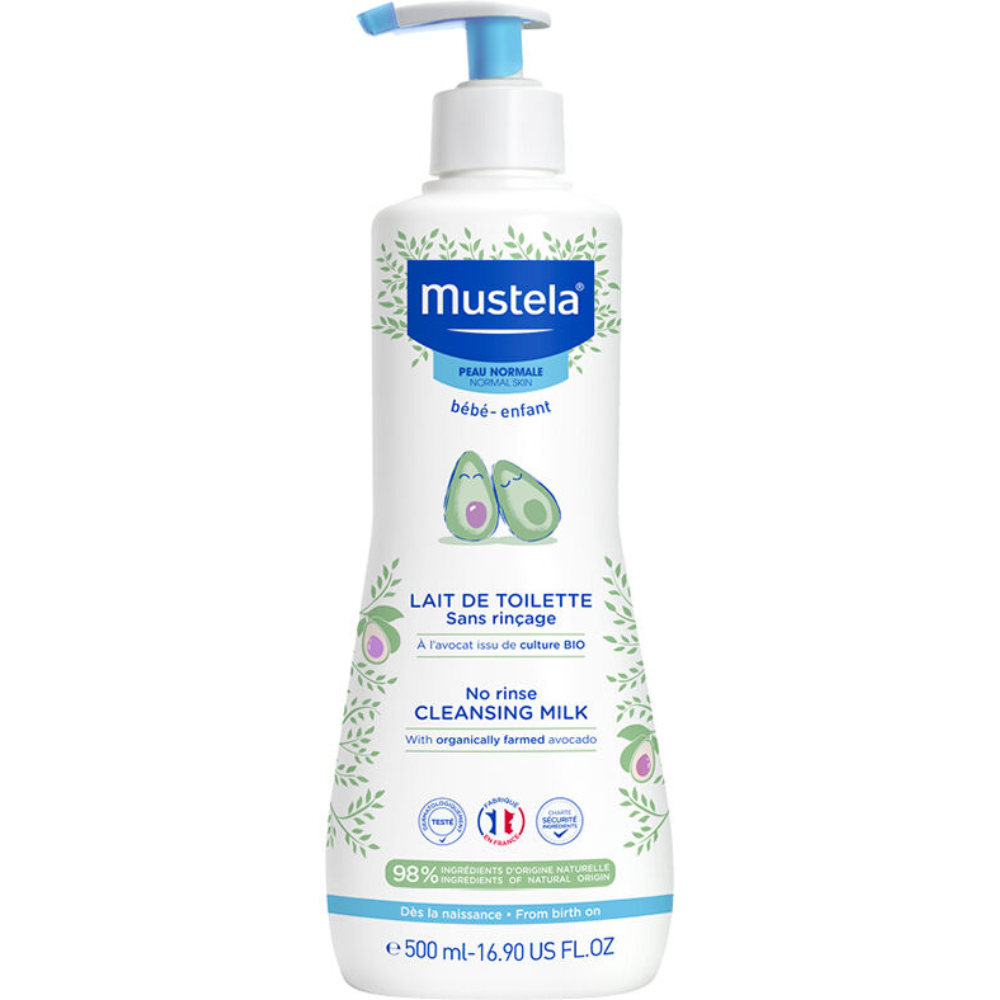
Mustela Multi-Purpose Balm 75mLA facial cream. A multifunction balm that nourishes, repararies and protects the drier areas of the face and body. Its unique formula intensely nourishes the skin, based on a fluid texture, not letting the skin get sticky. Combines 3 avocado extracts:. virgin oil, soothing and nutritious. avocado sugars, moisturizers and soothing.10,37 £*Shipping: 5,16 £Secure redirect to the provider
-
Fusion Finds Bubble Sensory Wall Mirror Set Toddler Sensory Mirror For Montessori Play & Learning Bubble Sensory Wall Mirror Set Toddler Sensory Mirror For Montessori Play & LearningExperience the joy of watching little ones discover themselves through playful reflections and handson exploration. This sensory wall mirror set includes three colorful acrylic bubble mirrors that encourage curiosity, selfawareness, and creative...59,97 $*Shipping: 0,00 $Secure redirect to the provider
-
Mustela Bébé Sol Lait Solaire Ip50+ Mustela 100 MlHealth and Beauty Creams Mustela Bébé Sol Lait Solaire Ip50+ Mustela 100 Ml This SPF50+ sun milk is specially formulated for the delicate skin of babies and children. It protects from UVA and UVB rays and is resistant to water and sand. Face and body. Formulated without fragrance, it is suitable for all skin types, including sensitive, sun-intolerant and atopy-prone skin. How to use: Its anti-drip tube allows you to control the administered dose. Stage 1: Apply generously to dry skin before each exposure (face and body). And of course, don't forget the hat, the glasses and the t-shirt. Stage 2: Reapply every two hours and after each bath. It is recommended not to expose children under 3 years of age to the sun.15,13 £*Shipping: 3,99 £Secure redirect to the provider
-
Mustela Baby ShampooA shampoo. A shampoo with an ultra-soft vegetal cleansing base, with chamomile extract for fine, delicate and fragile hair to make it soft, shiny and easy to comb. Its pH is adjusted to skin's and tear's natural pH. Can be used every day by the baby and child. Cleanses and facilitates the hair's detangling.10,38 £*Shipping: 9,68 £Secure redirect to the provider
-
What are sensory cells, sensory organs, and senses?
Sensory cells are specialized cells that detect and respond to specific stimuli, such as light, sound, touch, taste, and smell. These cells are found in sensory organs, which are structures in the body that contain sensory cells and are responsible for detecting and transmitting sensory information to the brain. The senses, on the other hand, are the physiological capacities of organisms that provide data for perception. They include sight, hearing, touch, taste, and smell, and are essential for experiencing and interacting with the environment. **
-
What is the difference between a primary sensory cell, a secondary sensory cell, and a sensory nerve cell?
Primary sensory cells are specialized cells that directly detect stimuli from the environment, such as light, sound, or touch. Secondary sensory cells receive signals from primary sensory cells and transmit them to the central nervous system. Sensory nerve cells, also known as sensory neurons, are responsible for transmitting the signals from secondary sensory cells to the brain, where they are processed and interpreted. In summary, primary sensory cells detect stimuli, secondary sensory cells relay the signals, and sensory nerve cells transmit the signals to the brain for processing. **
-
What is sensory perception?
Sensory perception refers to the process of receiving and interpreting information from the environment through the senses. This includes the five main senses of sight, hearing, touch, taste, and smell, as well as other sensory experiences such as balance, proprioception, and temperature. The brain then processes this sensory information to create a perception of the world around us, allowing us to interact with and understand our surroundings. Sensory perception is essential for everyday functioning and plays a crucial role in how we experience and navigate the world. **
-
Are receptors sensory cells?
Receptors are not sensory cells themselves, but they are specialized proteins located on the surface of sensory cells. These receptors are responsible for detecting and responding to specific stimuli, such as light, sound, taste, or smell. When a receptor is activated by a stimulus, it triggers a series of biochemical reactions within the sensory cell, ultimately leading to the generation of a sensory signal that can be transmitted to the brain for processing. Therefore, while receptors are not sensory cells, they play a crucial role in the sensory process by detecting and transducing stimuli into neural signals. **
Similar search terms for Mustela-Multi-Sensory-Bubble
-
"""Azienda Agricola Mustela""" """Azienda Agricola Mustela Karmico Barbaresco 2022 Red Wine - Italy""""""This Barbaresco is made from Nebbiolo (100%) in the sub-varieties Michet and Lampia. This producer works only in minimal intervention with very low sulfites and without using any additive. Garnet red; intense, elegant, fruity, with tobacco and..."40,99 $*Shipping: 0,00 $Secure redirect to the provider
-
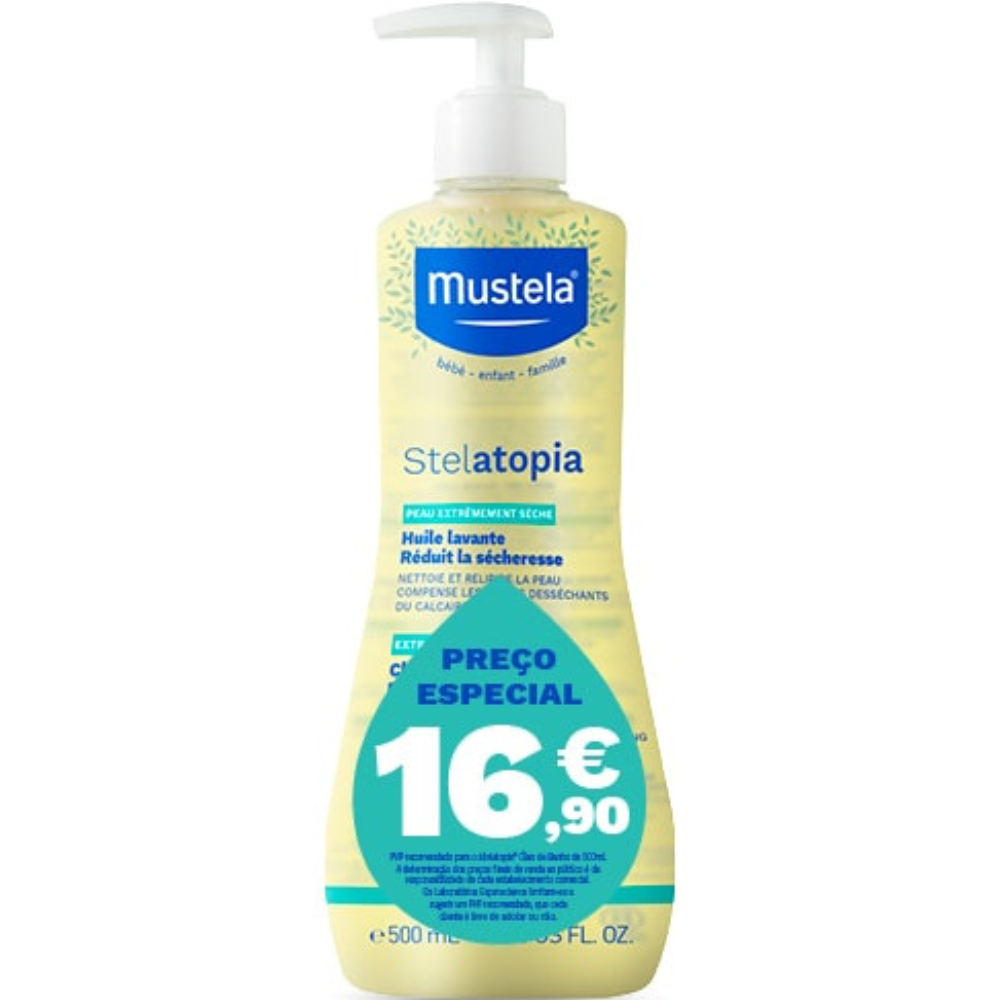
Mustela Stelatopia Bath OilA body-care product for dry or dehydrated skin. Hygiene of the face and body, cleanses the skin without harming or dehydrate, leaving the skin soft, soothing the sensations of itching and discomfort. Ideal for dry skins with intense redness. Disperses easily in the bath water and gently clean the baby's skin, nourishing it, relieving it and leaving a protective film on the skin.10,96 £*Shipping: 9,68 £Secure redirect to the provider
-
What are sensory nerve cells?
Sensory nerve cells, also known as sensory neurons, are specialized cells that transmit information from the body's sensory organs (such as the skin, eyes, ears, nose, and tongue) to the central nervous system. These cells are responsible for detecting various stimuli, such as touch, temperature, pain, and pressure, and converting these stimuli into electrical signals that can be interpreted by the brain. Sensory nerve cells play a crucial role in allowing us to perceive and respond to our environment. **
-
Why is sensory transduction necessary?
Sensory transduction is necessary because it allows the body to convert various forms of environmental stimuli, such as light, sound, touch, and chemical signals, into electrical signals that can be interpreted by the nervous system. This process is essential for the body to perceive and respond to its surroundings, allowing for the detection of potential dangers, the regulation of bodily functions, and the experience of sensations such as taste, smell, and touch. Without sensory transduction, the body would not be able to effectively interact with its environment and respond to changes in its surroundings. **
-
What are artificial sensory organs?
Artificial sensory organs are devices designed to mimic the functions of natural sensory organs, such as the eyes, ears, and skin. These devices use advanced technology to detect and process sensory information, allowing individuals to perceive and interact with their environment in a way that is similar to natural sensory organs. Artificial sensory organs have the potential to enhance or restore sensory capabilities for individuals with disabilities, as well as to provide new sensory experiences for people without impairments. These technologies have the potential to revolutionize healthcare and human-computer interaction. **
-
How does sensory development progress?
Sensory development progresses through a series of stages, beginning with basic sensory experiences such as touch, taste, and smell in infancy. As children grow, they develop more refined sensory abilities, such as improved vision and hearing, and begin to integrate sensory information to make sense of their environment. This process continues into adolescence and adulthood, with individuals becoming more adept at interpreting and responding to sensory stimuli. Overall, sensory development progresses from basic sensory experiences to more complex and integrated sensory abilities as individuals mature. **
* All prices are inclusive of VAT and, if applicable, plus shipping costs. The offer information is based on the details provided by the respective shop and is updated through automated processes. Real-time updates do not occur, so deviations can occur in individual cases. ** Note: Parts of this content were created by AI.